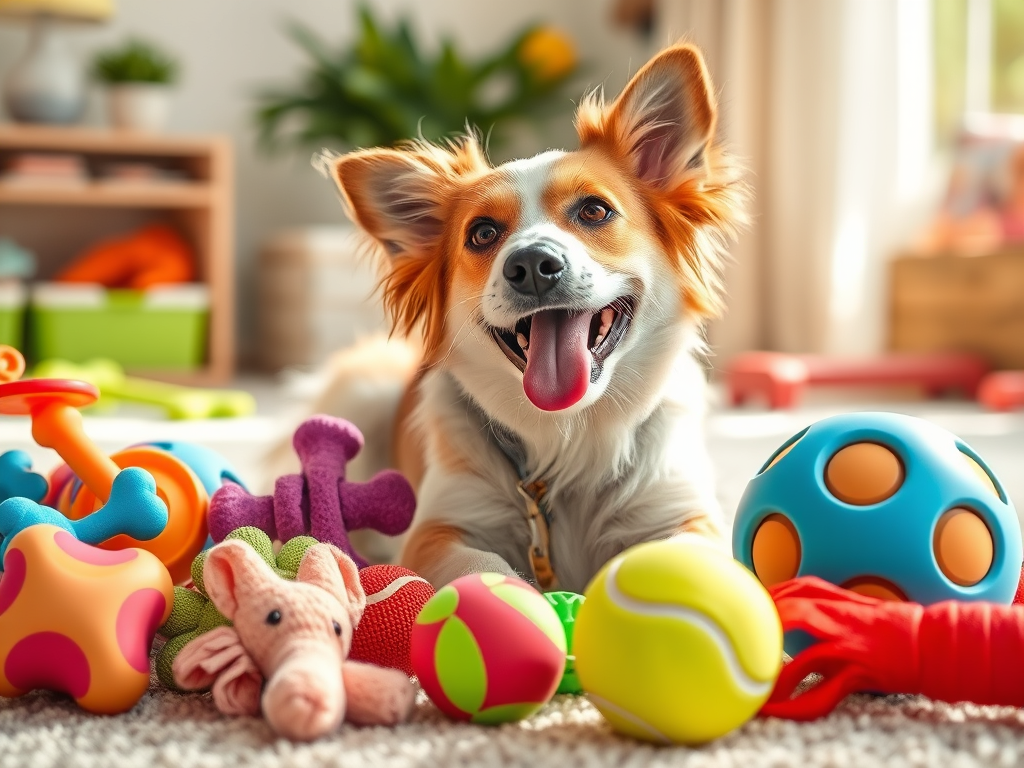
PFAS—often called “forever chemicals”—aren’t just in water, cookware, and furniture. They’re also creeping into pet toys, the very products our dogs and cats lick, chew, and cuddle daily. This hidden risk is one of the least discussed but most urgent parts of PFAS-free living. Today we’ll break down how PFAS end up in toys, what parents and pet owners are doing about it, community efforts making change, and practical steps to detox playtime in your home.
Why PFAS show up in pet toys
Pet toys often use synthetic fabrics, foams, or coatings that are treated for stain resistance, durability, or water repellency. Unfortunately, many of those treatments rely on PFAS.
- Chew toys: Plastic or rubber toys can contain PFAS from the manufacturing process.
- Plush toys: Fabric toys often come with water- or stain-resistant coatings.
- Balls: Some tennis balls marketed for pets have been tested with measurable PFAS residues.
The problem? When dogs and cats chew, they aren’t just breaking down the toy—they’re ingesting small amounts of the chemicals within.
Real stories from pet owners
- “My golden retriever Max had digestive issues for months. After switching to PFAS-free chew toys and changing his bedding, I noticed an improvement within weeks. I can’t prove it was all PFAS, but I wish I’d learned sooner about the chemicals in everyday products.” — Sarah, pet parent in Ontario
- “We had no idea tennis balls could have forever chemicals. Our vet in Vermont told us about a study, and since then we only buy certified safe toys. I feel like companies should be more transparent—we shouldn’t have to be detectives just to keep our dogs safe.” — Daniel, dog owner in Vermont
Personal stories like these remind us that PFAS exposure isn’t just theoretical. It’s already impacting households across North America.
Community action and local wins
- California’s consumer product laws: New regulations require companies to disclose and reduce PFAS in consumer products, including items that fall under pet categories. This transparency makes it easier for pet owners to shop smarter.
- Grassroots testing projects: Nonprofits like Ecology Center in Michigan have tested pet products for toxins, publishing results to pressure manufacturers. These citizen-driven efforts help expose hidden risks and demand corporate accountability.
- Retailer commitments: Some major retailers have pledged to phase out PFAS from household goods and pet supplies. While progress is slow, these commitments create momentum in the marketplace.
What you can do at home
Here are practical steps to detox your pet’s toy basket:
- Check for labels like PFAS-free or no added fluorinated chemicals.
- Avoid stain-resistant or water-repellent claims on fabrics—they often signal PFAS coatings.
- Choose natural materials like organic cotton, hemp, or untreated wool.
- Rotate toys and replace them regularly to limit breakdown and ingestion risks.
- Wash plush toys in hot water without fabric softeners, which can add chemical residues.
Call to action
Start today by making a simple swap. Pick one toy from your pet’s collection that might carry PFAS risks and replace it with a PFAS-free alternative. Protecting your pets doesn’t have to happen overnight—it’s about consistent, small steps.
This week, take action:
- Replace one toy with a safer option.
- Share a resource about PFAS-free products with another pet parent.
- Ask your local pet store if they stock PFAS-free brands.
- Post your experiences in the comments—we’ll feature reader stories in future guides.
For a complete overview of how PFAS affects pets and what you can do about it, check out our guide: How to Protect Your Pets From PFAS Exposure in Everyday Products.
Comparison table: PFAS risks in common pet toys
| Toy type | PFAS risk factors | Safer alternative | Maintenance tip |
|---|---|---|---|
| Tennis balls | Often treated with fluorinated coatings | Untreated natural rubber balls | Replace when surface wears down |
| Plush toys | Fabrics sprayed with stain-guard chemicals | Organic cotton or hemp plush toys | Wash in hot water regularly |
| Chew toys | Plastics and synthetic rubber additives | 100% natural rubber, untreated wood chews | Inspect for cracks, replace often |
| Rope toys | Dyed synthetic fibers with PFAS residues | Undyed hemp or cotton rope toys | Wash monthly, air dry |
Share your story
Have you switched to PFAS-free toys for your pets? Did you notice any health or behavior improvements? Tell us in the comments—your insights could help another family make a safer choice.
Sources
https://www.niehs.nih.gov/health/topics/agents/pfas/index.cfm
https://www.ewg.org/news-insights/news-release/2022/11/new-tests-find-toxic-forever-chemicals-pet-food-bags-and-baby
https://www.ecocenter.org/healthy-stuff
https://oehha.ca.gov/chemicals/perfluoroalkyl-and-polyfluoroalkyl-substances-pfass
Leave a Reply